
AI Workflow
in Brand Strategy
In my workflow, AI acts as a strategic partner. It helps synthesise large volumes of information, uncover patterns, and validate ideas against real-world data. Combined with market intelligence and human judgement, this creates a more informed and efficient approach to brand and campaign development.
This framework outlines how I integrate AI across each stage of the process, from mapping the competitive landscape through to shaping clear, differentiated brand strategy.

Insight
·
Strategy
·
Positioning
·
Insight · Strategy · Positioning ·
Using AI to enhance brand strategy, research and decision-making.

MAP

ANALYSE

VALIDATE

UNDERSTAND
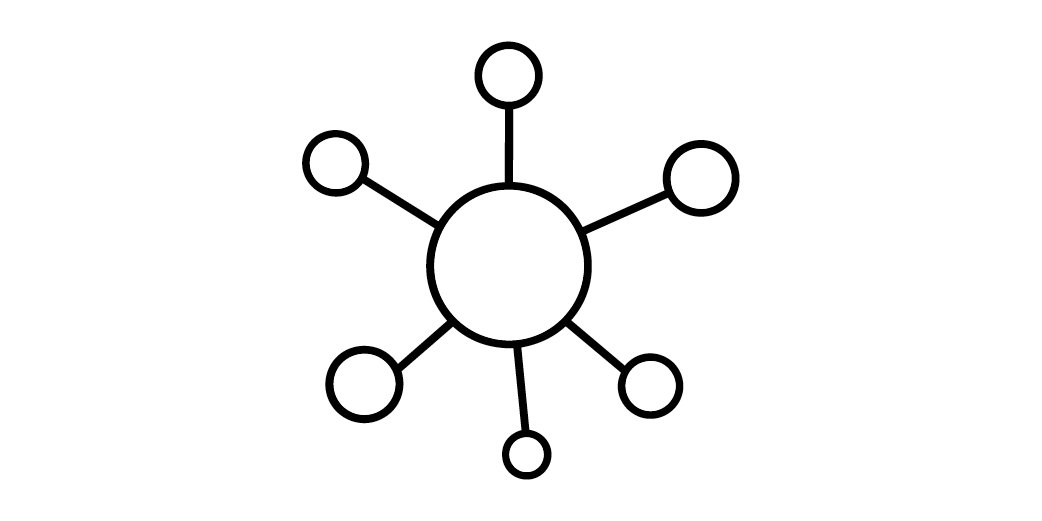
SYNTHESISE
My Process
-
Defining the competitive landscape
I start by mapping the category, identifying direct competitors, adjacent players, and aspirational brands that are shaping expectations.
AI plays a key role here by rapidly synthesising an initial landscape based on prompts around category, audience and geography. This allows me to explore a broader set of competitors than traditional desk research alone.
From there, I validate and refine using market data to ensure the landscape reflects real competitive pressure, not just perception.
This step often reveals:
Unexpected competitors
Overlooked categories
Shifts in how the market is evolving
Outcome:
A clear, data-informed view of who we’re actually competing with and where we sit within that landscape. -
Understanding how brands show up
Once the landscape is defined, I analyse how competitors position themselves across messaging, campaigns, and digital experiences.
AI is used to process and synthesise large volumes of content, from websites to campaign copy, allowing patterns to emerge quickly and clearly.
Through this, I can identify:
Common positioning themes
Repeated messaging patterns
Tone of voice archetypes
Rather than manually reviewing each brand in isolation, AI enables a more holistic view of the category.
Outcome:
A structured understanding of category norms, clichés, and opportunities for differentiation. -
Grounding strategy in real audience behaviour
Brand strategy should reflect what audiences actually care about, not just what brands say.
Using tools like SEMrush, I validate insights against:
Search demand
Keyword trends
Competitor visibility
AI supports this stage by helping interpret and translate data into meaningful insights, highlighting patterns, surfacing themes, and connecting search behaviour back to messaging opportunities.
Outcome:
Strategic directions that are both creatively strong and grounded in real audience intent. -
Uncovering audience perception and emotional drivers
Beyond positioning, I look at how brands are experienced by their audiences.
By analysing social channels and audience interactions, I explore:
Content themes and engagement patterns
Tone of voice in practice
Audience sentiment and feedback
AI is particularly powerful here. By feeding in comments, captions and discussions, I can synthesise large volumes of qualitative data to uncover:
Emotional drivers
Friction points
Unmet needs
This allows me to move beyond surface-level engagement metrics into deeper audience understanding.
Outcome:
A more human, insight-led view of audience perception and behaviour. -
Turning insight into brand strategy
The final stage brings everything together.
AI supports the synthesis process by helping to:
Structure insights into clear themes
Explore multiple positioning directions
Refine messaging and tone
This doesn’t replace strategic thinking, it accelerates it, allowing for faster iteration and more confident decision-making.
Insights from across the process are then translated into:
Positioning territories
Messaging frameworks
Tone of voice direction
Campaign platforms
Outcome:
Clear, differentiated brand strategy that connects insight, creativity and commercial impact.
Tools:






Perspective
AI expands the way we see but strategy still comes from how we think.
The real advantage isn’t the tool, it’s how you use it to turn insight into something meaningful, human, and commercially effective.